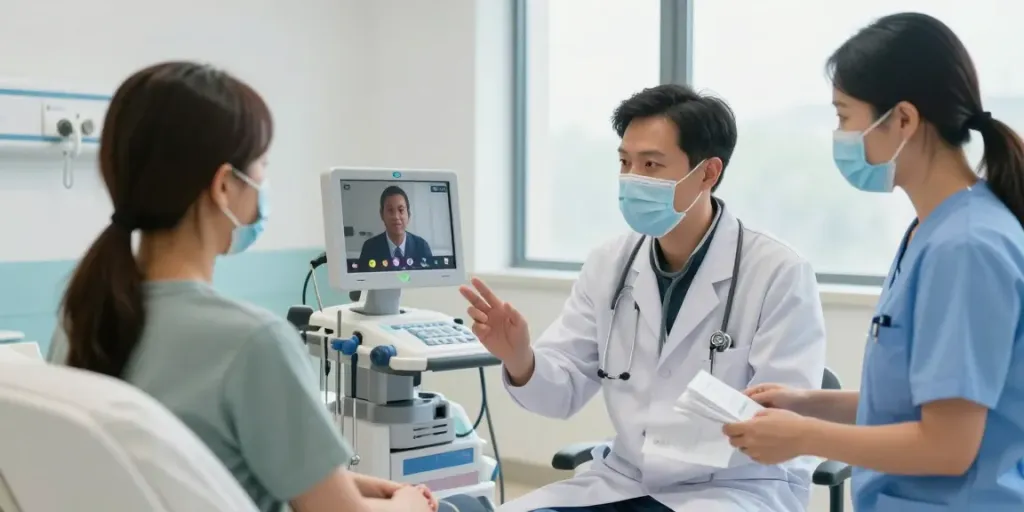
Understanding Telemedicine for Stroke
In the landscape of modern healthcare, the integration of technology has revolutionized the way we diagnose and treat various medical conditions, particularly in the field of neurology. This shift is especially pertinent in stroke care, where timely intervention is critical. Telemedicine for stroke is a specialized application of telehealth that employs advanced communication technologies to facilitate high-quality care for stroke patients, especially in underserved areas. By connecting patients with neurologists and stroke experts remotely, telemedicine has drastically improved outcomes by reducing the time to treatment and increasing access to specialized care.
What is Telemedicine for Stroke?
Telemedicine for stroke, often referred to as "telestroke," is an innovative healthcare delivery model that utilizes technology to diagnose and treat stroke patients in real-time. It allows healthcare providers to perform remote assessments using video conferencing, digital imaging, and other telehealth technologies. By linking local emergency departments with stroke specialists at advanced care centers, telestroke provides critical support to patients who may otherwise face significant delays in receiving treatment.
The Evolution of Stroke Care through Telemedicine
The evolution of stroke care has witnessed a paradigm shift with the advent of telemedicine. Traditionally, stroke evaluations were constrained by geography and the availability of specialist care. However, with the implementation of telestroke systems, hospitals can now access specialized care instantly. This approach has not only accelerated the diagnosis and treatment of strokes but also has improved the training and education of healthcare providers in remote locations.
Benefits of Telemedicine in Stroke Management
- Rapid Access to Specialist Care: Telestroke programs enable immediate evaluation by neurologists, facilitating timely treatment decisions.
- Improved Patient Outcomes: Faster diagnosis and intervention significantly reduce morbidity and mortality associated with strokes.
- Cost-Effectiveness: Telemedicine reduces the need for patient transport to distant facilities, lowering overall healthcare costs.
- Enhanced Collaboration: Telemedicine promotes teamwork among healthcare providers, leading to more coordinated and comprehensive care.
- Increased Patient Satisfaction: Patients benefit from receiving care closer to home, fostering a more comfortable and supportive experience.
How Telemedicine is Transforming Stroke Diagnosis
Remote Patient Monitoring and Its Importance
Remote patient monitoring is a crucial component of telestroke medicine. By utilizing wearable devices and mobile applications, healthcare providers can gather vital data on a patient's health status in real-time. This continuous monitoring allows for prompt identification of any concerning changes, which is essential in managing potential complications associated with stroke recovery.
Technological Innovations in Telemedicine for Stroke
Technological advancements have played a pivotal role in the development of telestroke services. Innovations such as high-definition video conferencing, cloud-based imaging solutions, and artificial intelligence tools for rapid diagnosis are at the forefront of enhancing stroke care. These technologies facilitate real-time consultation, enabling specialists to review imaging studies, recommend treatments, and guide on-site medical teams—all from remote locations.
Challenges in Tele-diagnosis and Overcoming Them
Despite the numerous advantages, implementing telestroke services is not without challenges. Issues such as disparities in technology access, varying state regulations regarding telehealth, and the need for specialized training can hinder the effectiveness of these programs. To overcome these barriers, healthcare organizations must invest in comprehensive training for providers and advocate for supportive legislation that facilitates telemedicine practices.
Effective Implementation Techniques for Health Facilities
Building a Tele-stroke Care Network
Constructing a robust tele-stroke care network is essential for maximizing the benefits of telemedicine. This involves establishing partnerships between hub hospitals (which have specialized stroke care) and spoke hospitals (local facilities). Such collaborations not only enhance patient access to timely care but also strengthen regional healthcare systems.
Training Healthcare Professionals in Telemedicine
To ensure successful implementation, ongoing education and training programs for healthcare professionals are vital. This training should encompass not only the use of telemedicine technologies but also protocols for stroke assessment, patient communication, and emergency response. As professionals become more comfortable with these tools, the quality of care delivered through telemedicine will continue to improve.
Creating a User-Friendly Patient Experience
Creating a seamless experience for patients utilizing telestroke services is critical. This can be achieved by simplifying the process for patients to access telemedicine consultations, providing clear instructions, and offering technical support. Furthermore, ensuring that patients feel supported and informed throughout their care journey will help foster trust and adherence to treatment protocols.
Measuring Success: Performance Metrics for Tele-stroke Services
Key Performance Indicators for Telemedicine Outcomes
Evaluating the success of tele-stroke services is essential to gauge their impact on patient care. Key performance indicators (KPIs) might include the time from symptom onset to treatment, the number of patients treated via telemedicine, patient satisfaction scores, and clinical outcomes such as rates of mortality and disability. Collecting and analyzing this data enables healthcare organizations to continually refine and improve their telemedicine programs.
Improving Patient Follow-Up and Outcomes
Effective follow-up care is crucial for stroke patients, as many face ongoing rehabilitation needs. Telemedicine can facilitate follow-up appointments, allowing patients to connect with their care teams without the barriers of transportation. By maintaining regular contact, healthcare providers can monitor recovery progress and make necessary adjustments to treatment plans.
Case Studies: Successful Tele-stroke Programs
A variety of healthcare systems have successfully implemented telestroke programs, resulting in significant improvements in patient care. For example, studies from regions that adopted telestroke networks showed a marked decrease in the time from initial evaluation to treatment, leading to improved patient outcomes. These success stories can serve as models for other facilities looking to enhance their stroke care capabilities.
The Future of Telemedicine for Stroke Care
Emerging Trends in Telehealth for Neurology
The future of telemedicine in stroke care is promising, with several emerging trends poised to enhance patient outcomes further. Increased integration of Artificial Intelligence (AI) for diagnostic support, enhanced interoperability among electronic health systems, and the expansion of remote monitoring capabilities will likely shape how stroke care is delivered in the coming years.
Preparing for Technological Advancements in 2026
As we look to the future, healthcare providers must prepare for the technological advancements anticipated by 2026. This includes leveraging data analytics for predictive modeling, adopting virtual reality for rehabilitation and training, and utilizing advanced imaging techniques that may become standard. Staying ahead of these trends will be crucial for healthcare organizations focused on providing the best possible care for stroke patients.
Patient-Centric Innovations in Stroke Telemedicine
The emphasis on patient-centric care will continue to drive innovations in telemedicine for stroke. Efforts to enhance patient engagement through automated reminders, educational resources, and personalized care plans will empower patients in their recovery journeys. By placing patients at the heart of stroke care, telemedicine can foster better relationships between patients and providers, ultimately leading to improved health outcomes.
What are the benefits of telestroke medicine?
Telestroke medicine offers numerous benefits, including rapid access to specialized care, improved outcomes through timely interventions, and reduced transportation burdens for patients.
How does telemedicine improve stroke outcomes?
Telemedicine improves stroke outcomes by facilitating quicker diagnoses and treatments, allowing for expert consultations on imaging studies, and enhancing coordinated care among providers.
What technology is used in telemedicine for stroke?
Technologies utilized in telemedicine for stroke include high-definition video conferencing tools, remote imaging systems, and cloud-based electronic health records.
What challenges are faced in implementing telestroke services?
Challenges in implementing telestroke services include technological disparities, regulatory barriers, and the need for specialized training among healthcare providers.
How can patients access telemedicine services for stroke care?
Patients can access telemedicine services for stroke care through their local hospitals equipped with telestroke systems, where emergency staff can initiate remote consultations with neurologists.