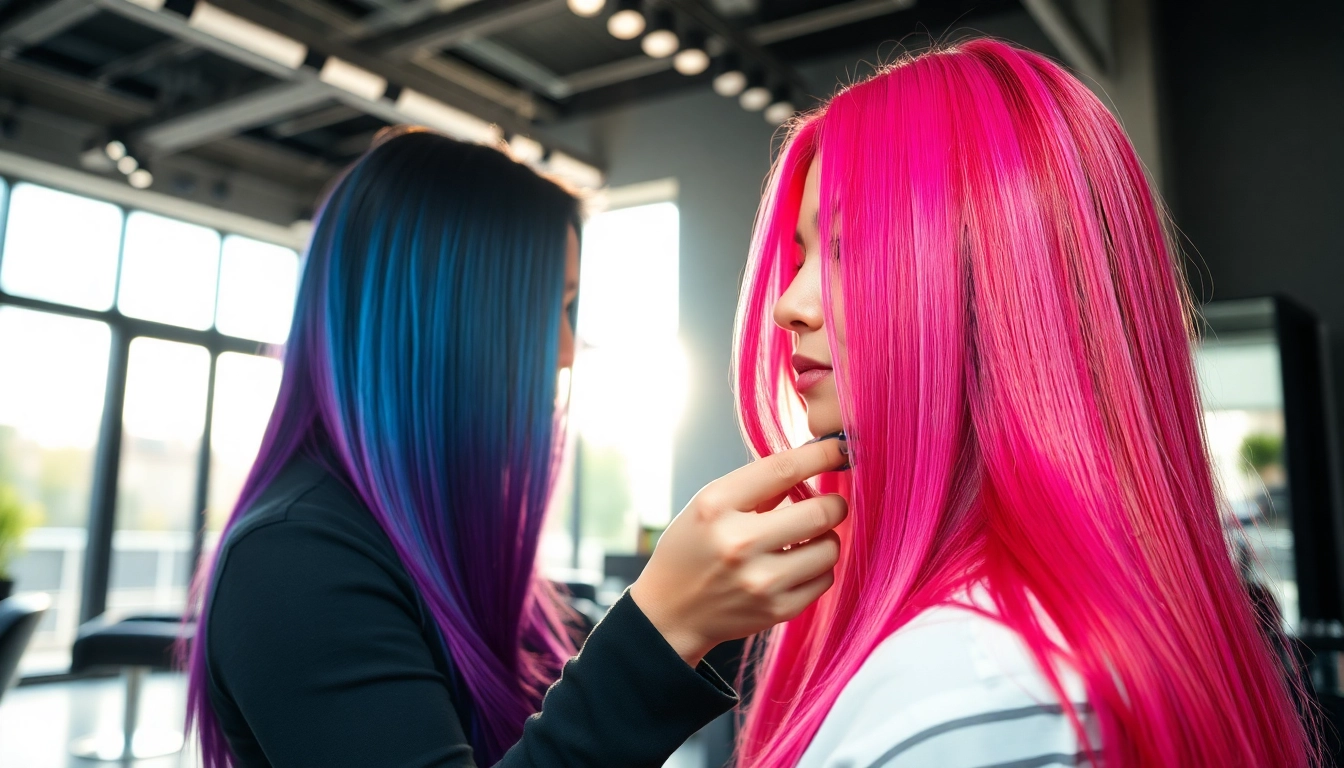
Understanding Hair Colouring Basics
The art of Hair colouring combines creativity and technical skill to transform your appearance and enhance your natural beauty. Understanding the fundamentals of hair colouring is essential for achieving your desired look while maintaining the health of your hair. In this section, we will explore various types of hair colouring techniques, how to choose the right colour for your skin tone, and the essential tools you’ll need for effective hair colouring.
Types of Hair Colouring Techniques
When it comes to hair colouring, several techniques can bring your vision to life. Here are the most popular methods:
- Permanent Colour: This option offers long-lasting results, with colour that can stay vibrant for several weeks. Ideal for those looking for a dramatic change, permanent colour typically penetrates the hair shaft.
- Semi-Permanent Colour: Lasting anywhere from 4 to 12 shampoos, semi-permanent colour is perfect for trying out new shades without commitment. It gradually fades without leaving a harsh line.
- Temporary Colour: This is a quick fix for special occasions. Temporary colours wash out easily and can be a fun way to experiment with bold hues.
- Highlights: Adding dimension to your hair, highlights can be achieved through foiling or balayage techniques. They range from subtle to vibrant.
- Balayage: A freehand technique, balayage creates a natural, sun-kissed look. It's low-maintenance, as it grows out gracefully.
- Ombre: This technique features a gradient effect, with the colour gradually changing from dark to light. It's striking and trendy.
Choosing the Right Colour for Your Skin Tone
Finding the ideal hair colour for your skin tone is key to enhancing your features and creating a harmonious look. Here are some tips:
- Warm Skin Tones: Colors with warm undertones, such as golden blondes, rich chestnuts, or warm reds, complement warmer skin tones.
- Cool Skin Tones: If you have cool undertones, look for ashy blondes, cool browns, or vibrant shades of violet and blue.
- Neutral Skin Tones: Those with neutral undertones can experiment with both warm and cool shades, making them versatile in their choices.
Essential Tools for Effective Hair Colouring
To ensure a seamless hair colouring experience, having the right tools on hand is essential. Here’s a list of must-have tools:
- Hair Colour: Choose the right hair dye based on your chosen technique and desired hue.
- Mixing Bowl and Brush: For precise application, use a bowl to mix the dye and a brush to apply it evenly.
- Gloves: Always wear gloves to protect your hands from staining and irritation.
- Cape/Shawl: Prevent any mess on your clothes with a waterproof cape.
- Clips: Section your hair for easier application.
- Timer: Keep track of processing time for optimal results.
Trendy Hair Colouring Styles for 2023
As styles evolve, so do hair colouring techniques. Here’s a look at the most trending hair colouring styles for the current year:
Balayage vs. Ombre: What's the Difference?
Balayage and ombre are two of the most sought-after hair colouring styles. While both techniques create a beautiful gradient effect, they differ significantly in application and outcome.
Balayage is a freehand painting technique where the highlighting is applied in a sweeping manner. This results in a softer, more natural feel, and it typically begins further up the hair shaft, providing a seamless transition from dark to light. On the other hand, ombre presents a more pronounced contrast, with a clear difference between the dark roots and the light ends of the hair. It often requires a more significant commitment to maintenance due to the stark colour difference.
Bold Hair Colouring for the Adventurous
For those looking to make a statement, bold hair colours are trending in 2023. From electric blues to hot pinks, vibrant shades allow for self-expression and creativity. This trend can also be a reflection of one's personal style or mood, and techniques such as underdye or rainbow colouring can be employed for those who desire multi-hued hair.
When embracing bold colours, be conscious of the potential for damage and the importance of professional application to achieve the perfect tone without compromising hair health.
Subtle Highlights for a Natural Look
For those preferring a more understated look, subtle highlights are on the rise. Whether through balayage or babylights, these techniques add dimension and texture to your hair while maintaining an organic appearance. Subtle highlights are perfect for enhancing your natural colour, allowing for a beautiful sun-kissed glow without a dramatic change.
Common Hair Colouring Mistakes to Avoid
While hair colouring can be an enjoyable process, there are pitfalls that many encounter. Avoid these common mistakes to achieve the best results:
Overprocessing Hair: Signs and Solutions
One of the most significant risks of hair colouring is overprocessing. Signs include dryness, brittleness, and a lack of elasticity in the hair. To combat this, refrain from frequent dye applications and incorporate deep conditioning treatments to restore moisture and resilience.
Choosing Incompatible Colours
Choosing shades that do not complement your skin tone can lead to an unsatisfactory result. Always consider your undertones and consult with professionals if unsure. A professional colourist can help you choose colours that truly enhance your features.
Ignoring Aftercare Needs
Aftercare is critical in maintaining hair colour and overall hair health. Ignoring it can lead to rapid fading and damage. Invest in colour-safe shampoos and conditioning treatments, and consider using UV protection products to shield your hair from sunlight.
How to Maintain Your Hair Colouring
Proper maintenance can prolong the vibrancy and health of your hair after colouring. Delve into these essential practices to keep your hair looking its best:
Best Products for Colour-treated Hair
Utilizing the right products is crucial. Look for shampoos and conditioners specifically formulated for colour-treated hair, as they often contain ingredients that protect and prolong colour vibrancy. Additionally, incorporating leave-in treatments can provide extra nourishment and protection.
Regular Maintenance Schedules
Establish a maintenance schedule based on your hair's growth rate and colour fading. Touch-ups are usually recommended every 6-8 weeks, while minor adjustments for highlights may require a shorter interval. Keeping a regular appointment ensures your hair remains fresh and vibrant.
Home Care vs. Professional Touch-ups
Deciding between home care and professional touch-ups can be daunting. Home care allows for flexibility and cost savings, yet professional touch-ups ensure precision and can help achieve complex techniques. Often, a hybrid approach works best—performing basic maintenance at home while seeking professionals for more intricate processes.
FAQs About Hair Colouring
What is the best way to choose a hair colour?
Consider your skin tone, eye colour, and personal style. Testing out colours through wigs or semi-permanent dyes can also help you find the right shade.
How often should I touch up my roots?
Generally, touch-ups are recommended every 4-6 weeks for permanent colour users, or longer if you've opted for highlights or balayage for a more gradual growth.
Can I dye my hair at home safely?
Yes, with careful preparation and the right products, home dyeing can be safe. Follow instructions carefully and do a patch test first to avoid allergies.
What should I do if I don’t like my hair colour?
If your new colour isn't to your liking, consult with a professional stylist who can help correct or adjust the colour without causing additional damage.
How can I keep my hair healthy after colouring?
Maintain hair health by using color-safe products, reducing heat styling, and utilizing regular deep conditioning treatments. Stay hydrated and eat a balanced diet for overall hair health.