Understanding AI-Generated Image Detection
As artificial intelligence continues to evolve, it is imperative to understand the implications of AI-generated content, particularly in the realm of visual media. The rise of AI-generated images has transformed various industries, from advertising to journalism, making the ability to detect such images crucial. This article delves into the concept of AI-Generated Image Detection, covering its importance, the challenges faced, and best practices for effective detection.
What is AI-Generated Image Detection?
AI-generated image detection refers to the processes and technologies used to identify images that have been created or manipulated using artificial intelligence. These images can include anything from deepfakes to entirely synthetic visuals produced by algorithms. The rise of deep learning models, such as GANs (Generative Adversarial Networks), has made it increasingly difficult to distinguish between real and AI-generated media.
Importance of Authenticity in Visual Media
The authenticity of visual media is paramount in today's digital landscape. As misinformation spreads rapidly, the ability to verify the origin of images can impact public perception and trust. In journalism, for example, publishing an AI-generated image without proper verification could lead to significant reputational damage. Furthermore, in the realm of advertising, brands must ensure that the visuals they use convey honesty and integrity to maintain consumer trust.
Key Technologies Behind Image Detection
The backbone of AI-generated image detection lies in sophisticated algorithms and machine learning techniques. Key technologies include:
- Convolutional Neural Networks (CNNs): These networks are particularly effective for image recognition tasks, enabling the detection of subtle inconsistencies in AI-generated images.
- Forensic Analysis Tools: These tools assess images for signs of manipulation, such as artifact detection and noise patterns.
- Blockchain Technology: By tracking the provenance of images, blockchain can help verify their authenticity, ensuring accountability in digital media.
Challenges in AI Image Detection
Common Misconceptions about AI-Generated Images
One of the significant challenges in detecting AI-generated images is the prevalent misconceptions surrounding them. Many believe that any image produced by an AI model is easily identifiable, but this is far from the truth. The complexity of modern AI systems has resulted in images that often mimic reality with alarming proficiency, making detection a nuanced challenge.
Technical Limitations and Obsolescence
As AI generation techniques become more advanced, the methods for detection must continually adapt. What may work today for identifying synthetic media could become obsolete tomorrow. This arms race between generation and detection technology necessitates ongoing research and innovation in the field.
Legal and Ethical Considerations in Image Verification
The legal landscape surrounding AI-generated content is still evolving, but ethical considerations are already pressing. The potential for misuse in terms of fraud or defamation raises questions about liability and accountability. Establishing clear guidelines and regulations will be crucial as society navigates the implications of this technology.
Best Practices for Detecting AI-Generated Images
Implementing Effective Detection Algorithms
To stay ahead in the battle against AI-generated misinformation, organizations should invest in robust detection algorithms. Utilizing ensemble methods that combine multiple algorithms can enhance accuracy and reliability in identifying AI-generated images.
Case Studies of Successful Detection Models
There have been several instances where advanced detection models have successfully identified manipulated images. For example, a recent case study highlighted how a leading media outlet utilized a combination of CNNs and forensic analysis tools to detect deepfake visuals in user-generated content, ensuring the integrity of their news reports.
Integrating Human Expertise with AI Systems
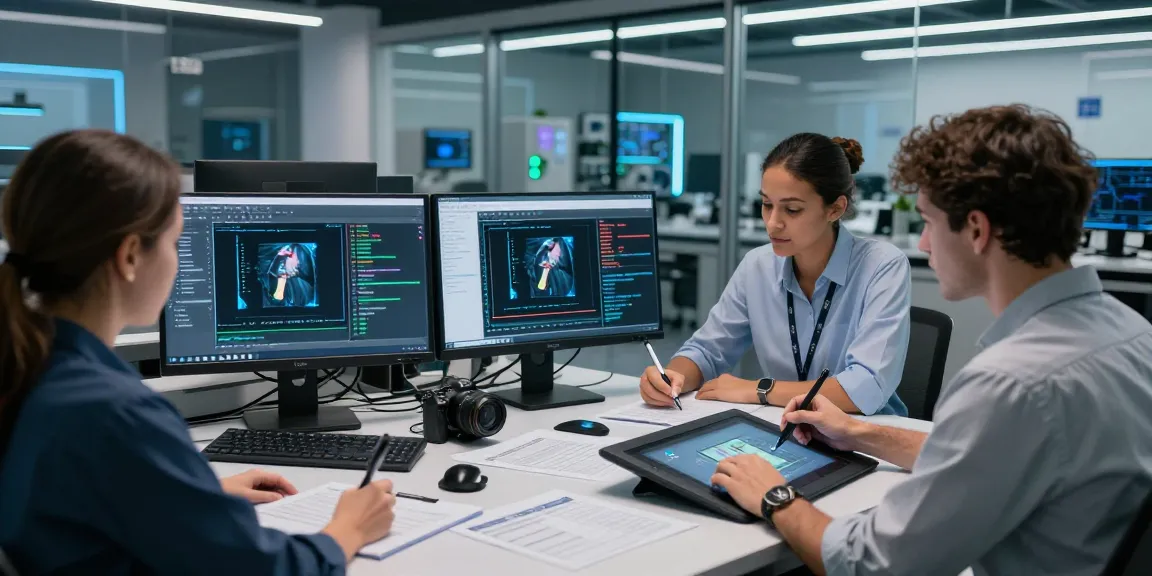
While automated systems are invaluable, human expertise remains essential in the detection process. Collaboration between AI specialists and forensic experts can lead to more refined detection methodologies, combining technological prowess with human insight.
Real-World Applications of AI-Generated Image Detection
Use Cases in Media and Journalism
In media and journalism, AI-generated image detection plays a pivotal role in maintaining credibility. By ensuring that the visuals accompanying stories are authentic, organizations can protect their reputation and uphold journalistic integrity.
Impact on Advertising and Brand Integrity
For brands, the use of manipulated images can lead to a loss of consumer trust and potential backlash. Companies must employ detection technologies to verify that their advertising materials accurately represent reality, thus maintaining brand integrity.
Future Trends in AI Detection Technologies
The future of AI-generated image detection is bright, with trends leaning towards greater collaboration between AI and human intuition. Improvements in technology, such as the use of federated learning and enhanced interpretability of AI systems, promise to make detection even more effective.
Looking Ahead: Future of Image Detection Technologies
Emerging Trends and Innovations for 2026
As we look towards 2026, several emerging trends are likely to shape the landscape of image detection. Multi-modal approaches that integrate visual data with contextual information from sources like social media will enhance the accuracy of detection systems.
Potential Market Growth and Investment Opportunities
The demand for AI-generated image detection solutions is expected to surge as awareness of deepfakes and synthetic media grows. This offers significant investment opportunities for technology companies that specialize in AI ethics and forensic analysis.
Predictions for AI-Generated Media and Detection Techniques
Experts predict that the boundary between human-created and AI-generated content will continue to blur. As detection methods evolve, they must also adapt to counteract increasingly sophisticated synthetic media, ensuring that authenticity remains a key focus.
What technologies are used for AI-generated image detection?
Several technologies are pivotal in the detection of AI-generated images, including machine learning algorithms, image analysis tools, and blockchain for provenance tracking. These technologies help identify the telltale signs of manipulation that may not be visible to the naked eye.
How to integrate AI detection tools into current workflows?
Integrating AI detection tools into existing workflows can be achieved through training and collaboration. Organizations should look to create protocols that include verification steps in their content creation processes, ensuring AI detection tools are part of the media verification routine.
What are the benefits of using AI for image verification?
Utilizing AI for image verification can significantly enhance the speed and accuracy of detection processes. AI tools can analyze vast quantities of images quickly, providing immediate feedback on authenticity, which is invaluable in fast-paced industries like journalism.
Are there limitations to current AI image detection methods?
While current AI image detection methods are powerful, they are not infallible. Limitations include the potential for false positives, where real images are incorrectly flagged, and the inability to detect new generative techniques that may arise.
How will regulations affect AI-generated content in the future?
As public concern over AI-generated content grows, regulatory frameworks are likely to emerge, governing how such content is created and disseminated. Establishing clear guidelines will be essential for ensuring accountability and protecting consumers in an increasingly digital world.