Understanding Bed Bug Heat Treatment
What is Bed Bug Heat Treatment?
Bed bug heat treatment is an innovative pest control method that effectively eradicates bed bugs by raising the ambient temperature of infested areas to lethal levels. This technique is based on the principle that bed bugs cannot survive extreme heat. Typically, the room temperature is elevated to around 130°F to 145°F (54°C to 63°C) for a specific duration, ensuring the complete eradication of all life stages of bed bugs, including eggs, nymphs, and adults. Unlike traditional pest control methods that rely on chemical applications, bed bug heat treatment offers a chemical-free solution that is safe for occupants and pets.
Advantages of Heat Treatment for Bed Bugs
Heat treatment presents several key advantages over other pest control methods:
- Non-toxic: As a chemical-free process, heat treatment poses minimal risk to humans and pets.
- Efficiency: Many infestations can be resolved in as little as one day, depending on the extent of the infestation.
- Comprehensive Coverage: Heat penetrates various materials, ensuring that even hard-to-reach places like cracks and crevices receive treatment.
- Environmental Impact: The absence of chemicals makes this method more environmentally friendly.
- Elimination of All Life Stages: Heat also effectively kills bed bug eggs, preventing future infestations.
Common Myths and Misconceptions
Despite its effectiveness, several myths surround heat treatment for bed bugs. Below are a few common misconceptions:
- Myth 1: Heat treatment is ineffective.
- Myth 2: Furniture cannot be saved during heat treatment.
- Myth 3: Heat treatment takes long and is an inefficient process.
It is crucial to debunk these myths to ensure homeowners understand the benefits and efficiency of this method.
Preparing for Bed Bug Heat Treatment
What to Expect During Heat Treatment
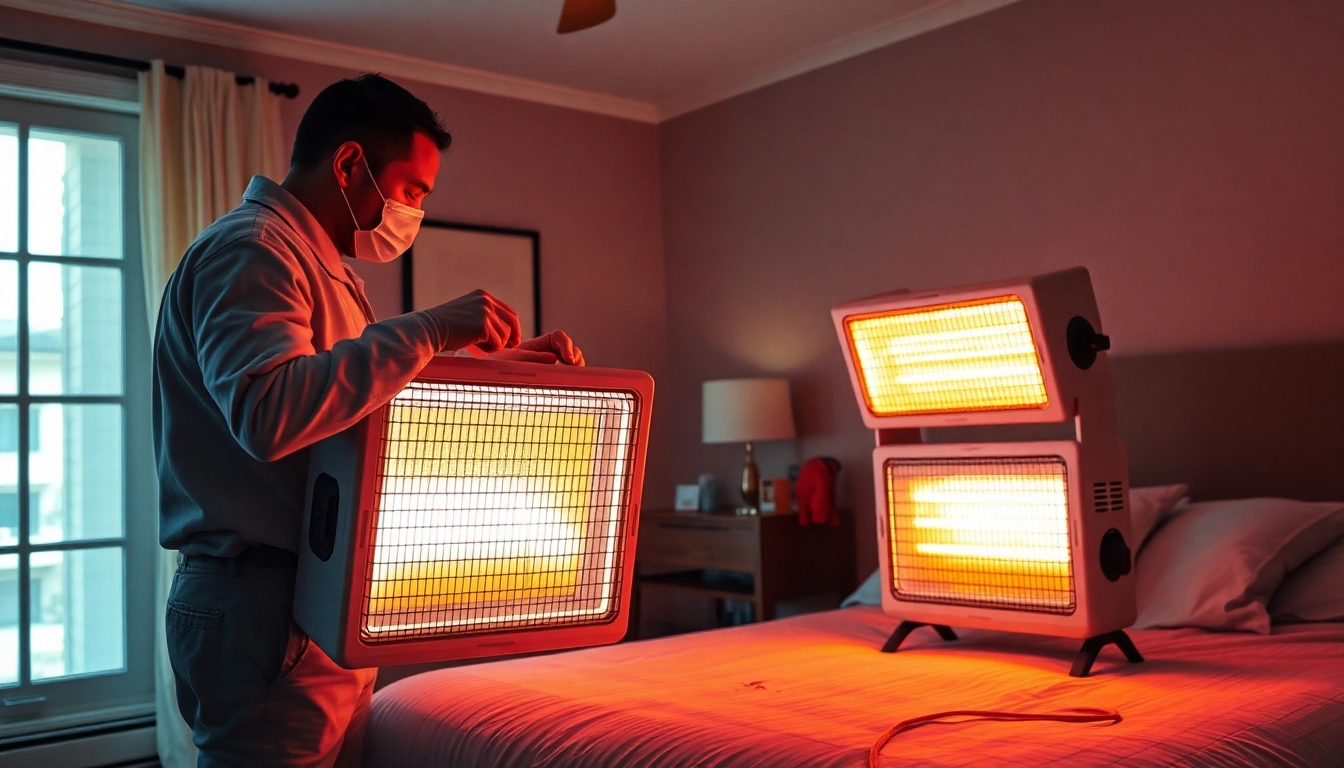
During a bed bug heat treatment, the technician will first assess the infested area. After identifying where bed bugs are located, they will set up specialized heaters. The entire space will be gradually heated until it reaches the lethal temperature for bed bugs. Once the desired temperature is achieved, the heaters will maintain this temperature for several hours to ensure the complete extermination of the pests. This process typically lasts for a single day but may vary based on the infestation's severity.
How to Prepare Your Home
Preparation is vital for a successful bed bug heat treatment. Here are steps to consider:
- Clear the Area: Remove any items from the treatment zone, such as clothes, electronics, and valuables. This minimizes complications during the treatment process.
- Ensure Accessibility: Allow clear access to electrical outlets and placement areas for heaters.
- Inform Residents: Discuss the treatment process with family members and pets and ensure they know to vacate the premises during the treatment.
- Protect Sensitive Items: Use plastic containers for items that cannot be exposed to high heat.
Safety Precautions to Consider
When undergoing bed bug heat treatment, safety must be a priority. Follow these precautions:
- Remove plants and items sensitive to heat.
- Secure all flammable items away from the treatment area.
- Ensure that pets and children are away from the premises during the treatment process.
The Bed Bug Heat Treatment Process
How It Works: Temperature and Duration
The effectiveness of bed bug heat treatment relies on adequately increasing the temperature. Bed bugs start to die when exposed to temperatures over 122°F (50°C). The treatment typically involves raising the temperature to at least 130°F (54°C) for a sustained period to ensure that every life stage of the bed bug is eliminated. The duration may vary, but many technicians recommend keeping the temperature at these lethal levels for at least 4-6 hours to ensure thorough extermination.
Equipment Used in the Process
Specialized equipment is essential for the heat treatment process. This includes:
- Heaters: High-capacity portable heaters that can effectively raise the temperature in the space.
- Fans: To circulate hot air evenly and ensure every corner reaches the required temperature.
- Thermometers: Temperature monitoring devices to track the heat levels throughout the treatment process.
Monitoring the Treatment Effectiveness
During the treatment, professionals monitor temperature levels consistently to ensure that they remain above lethal levels for sufficient duration. If any area doesn't reach the target temperature, the treatment may need to be extended to guarantee eradication. Post-treatment assessments often include visual inspections and the use of canine detection teams to confirm complete elimination.
Post-Treatment: Next Steps
What to Do After Heat Treatment
After the treatment, it's essential to follow up with specific steps to ensure a successful outcome:
- Wait Period: Allow a few hours before reentering the heated area to let the environmental temperature normalize.
- Cleaning and Inspection: Carefully inspect and clean the area, but avoid using vacuum cleaners right away until the treatment confirms effectiveness.
- Monitor for Activity: Be observant for any signs of bed bugs within the following weeks and have a plan for follow-up if needed.
Signs of Success: Are the Bed Bugs Gone?
After a successful heat treatment, you should look for signs indicating that bed bugs are gone. This includes:
- No visible signs of bed bugs or droppings.
- Reduction in bite occurrences during the night.
- No evidence of adult bed bugs or eggs in targeted areas.
Prevention Tips for the Future
To sidestep future infestations, consider implementing these prevention tips:
- Regularly inspect your living spaces for signs of bed bugs, especially after travel.
- Elevate your mattress and bedding to reduce hiding spots.
- Be cautious with second-hand furniture or clothing—thoroughly inspect and clean items before bringing them in.
FAQs About Bed Bug Heat Treatment
Is Bed Bug Heat Treatment Safe for Humans and Pets?
Yes, bed bug heat treatment is safe for both humans and pets when conducted by professionals. The method uses heat, which is non-toxic and effectively eliminates bed bugs without harmful chemicals.
How Long Does a Bed Bug Heat Treatment Last?
The actual treatment typically lasts between 4 to 8 hours, depending on the severity of the infestation and the space's size. It's important to allow time for monitoring and post-treatment assessments.
Can Furniture Be Saved During Treatment?
Yes, most furniture can be treated without removal. Technicians use equipment to distribute heat evenly, ensuring even upholstered items are well-treated. However, some exceptionally sensitive items may need alternative treatment.
What Temperature is Required to Kill Bed Bugs?
Bed bugs begin to die at temperatures around 122°F (50°C). However, achieving temperatures between 130°F and 145°F for several hours is necessary to eliminate all life stages effectively.
How Much Does Bed Bug Heat Treatment Cost?
The cost of bed bug heat treatment varies widely based on the infestation's extent, the area being treated, and geographic location. Typically, prices range from a few hundred to several thousand dollars.