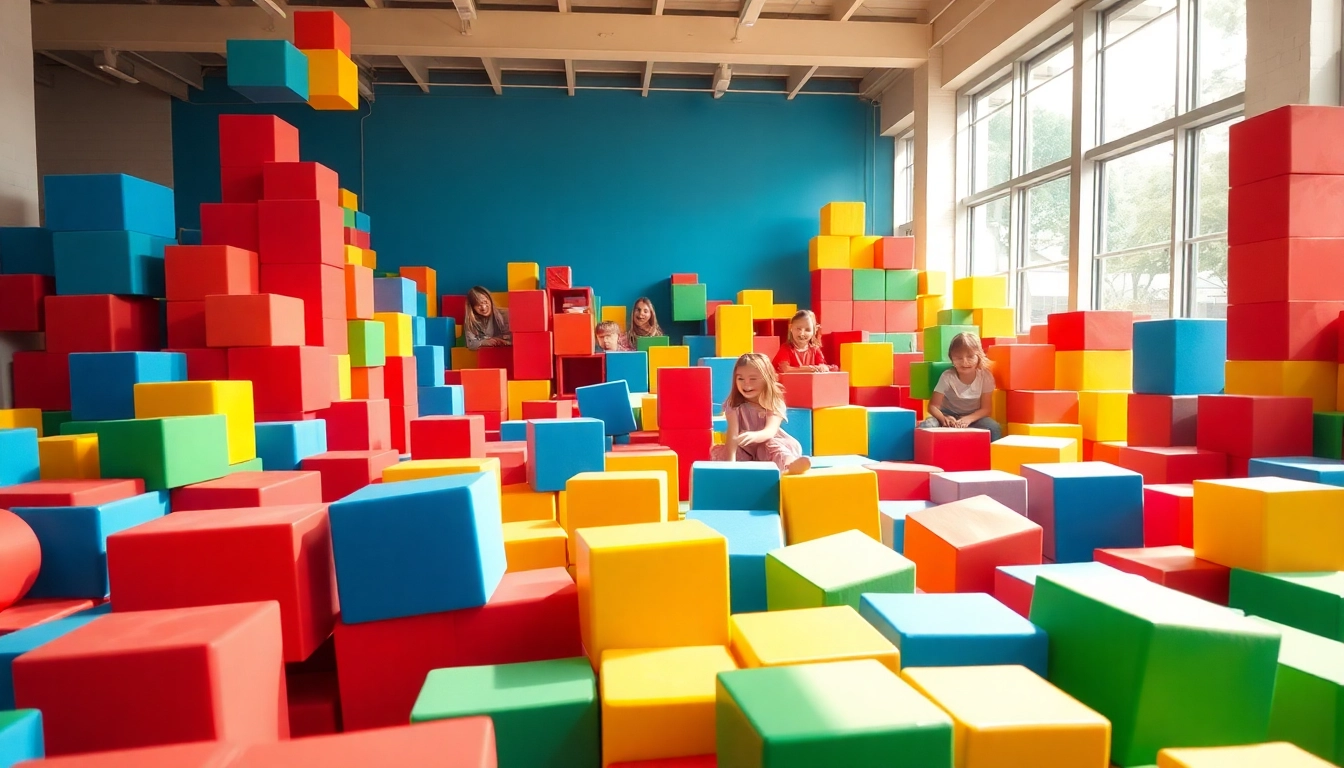
Introduction to Giant Foam Building Blocks
Kids have an innate desire to imagine, create, and build. Giant foam building blocks serve as an exceptional foundation that fosters creativity and imaginative play. These soft, versatile building tools provide endless possibilities for constructing anything a child can conceive, from simple structures to elaborate designs. To find out more about how these blocks can benefit your child, let’s delve into what they are and the myriad advantages they offer.
What Are Giant Foam Building Blocks?
Giant foam building blocks are oversized building components made from soft, lightweight foam. They come in various shapes, sizes, and colors, designed specifically for young children to engage in safe and imaginative construction play. The blocks are typically large enough to prevent choking hazards and light enough to allow even the youngest of builders to stack and manipulate them without injuries.
Benefits of Using Foam Blocks in Play
The benefits of using foam blocks extend far beyond mere entertainment. Engaging with these blocks helps children develop crucial cognitive and motor skills while promoting creativity and social interaction.
- Physical Development: Manipulating foam blocks encourages fine and gross motor skills as children lift, stack, and balance their structures.
- Cognitive Skills: Building requires problem-solving and planning, sharpening analytical skills and promoting exploration.
- Social Skills: Collaborative building projects foster teamwork and communication among peers.
- Imagination: Foam blocks stimulate imaginative play, allowing children to create their own worlds and stories.
Common Materials Used in Foam Block Production
Giant foam building blocks are made from various materials, with a focus on safety and durability. Commonly used materials include:
- EVA Foam: Ethylene-vinyl acetate (EVA) is a popular choice due to its softness, durability, and ease of cleaning.
- Polyurethane Foam: Flexible and lightweight, this material allows for diverse sizing options and shapes.
- Cross-linked Foam: This material provides added strength and resilience through a unique molecular structure, often making the blocks last longer.
Best Practices for Indoor Play with Foam Blocks
The unique qualities of foam blocks make them ideal for indoor play, but enhancing the play environment can significantly impact the quality of play. Here are best practices for creating an engaging indoor experience with foam building blocks.
Designing an Engaging Play Area
Designing a dedicated play area can significantly enhance the play experience. Consider setting up:
- A Soft Surface: Use rugs or mats to create a soft landing zone appropriate for building.
- Open Space: Ensure plenty of room for exploration, sharing, and collaborative building activities.
- Theme-Based Stations: Set up themed areas that inspire certain types of builds (e.g., a castle corner, a vehicle lab).
Safety Guidelines for Foam Block Use
While foam blocks are designed with safety in mind, certain guidelines should be adhered to ensure a safe play environment:
- Supervise Young Children: Always supervise younger children during play to prevent accidents.
- Avoid Hazardous Areas: Keep play areas free from sharp edges and hard surfaces.
- Regular Check-Ups: Inspect the blocks regularly for signs of wear and tear.
Age Appropriateness and Supervision Recommendations
Foam building blocks are typically safe for children aged three and above. It’s essential to assess the suitability of specific blocks based on the child’s age and developmental stage. Generally, active supervision is recommended for younger and first-time users to guide them and encourage creative use while preventing unsafe play.
Creative Games and Activities for Kids
Foam building blocks not only encourage independent play but also open the door for collaborative games and activities that can enhance learning and social skills. Here are some creative ideas.
Group Challenges and Team Play Ideas
Group challenges can be both fun and educational. Here are a few ideas:
- Building Competition: Children can be split into teams and tasked with constructing the highest tower or most creative structure within a set time frame.
- Relay Builds: Each team member adds a block to the structure on their turn, racing against time.
Individual Building Projects to Enhance Skills
Individual play allows children to focus on personal projects, enhancing their creativity and problem-solving skills:
- Architectural Challenges: Encourage children to replicate simple buildings or design their own.
- Artistic Themes: Prompt children to create structures based on themes, such as nature or outer space.
Thematic Play Scenarios to Spark Imagination
Thematic play encourages children to immerse themselves into exciting worlds:
- Castle Adventures: Constructing castles can inspire role-playing knights and dragons.
- Space Exploration: Build rockets and space stations to inspire imaginative space travel stories.
Maintenance and Care for Foam Blocks
To ensure longevity and safety, proper maintenance and care are vital for foam blocks. Here are guidelines to keep them in excellent condition.
Cleaning and Sanitizing Protocols
Regular cleaning helps maintain hygiene, especially in group settings. Use warm, soapy water and a soft cloth to wipe down the blocks, and allow them to air dry completely to prevent mold and germs.
Storing Foam Blocks Effectively
Proper storage not only saves space but also extends the life of the blocks. Consider these options:
- Stacking: Store blocks in an organized stack or container to avoid damage.
- Designated Area: Create a specific area where children can access the blocks easily yet refrain from clutter.
Signs That It's Time to Replace Blocks
Over time, foam blocks may show signs of wear. Be on the lookout for:
- Visible tears or rips.
- Loss of structural integrity or firmness.
- Persistent odors or mold growth despite cleaning efforts.
Educational Benefits of Building with Foam Blocks
The educational advantages of incorporating foam blocks into play are extensive. By engaging with these materials, children can develop essential skills seamlessly during their playtime.
Developing Cognitive Skills Through Play
Constructing with foam blocks promotes cognitive development by introducing concepts such as balance, symmetry, and spatial reasoning.
Enhancing Motor Skills and Coordination
Manipulating foam blocks requires children to develop coordination and dexterity, enhancing their fine motor skills essential for future activities like writing and drawing.
Fostering Collaboration and Communication Among Peers
Collaborative building projects foster social skills as children learn to share ideas, negotiate roles, and communicate effectively while building together.
Frequently Asked Questions
What age group is best suited for foam building blocks?
Foam building blocks are generally safe for children ages 3 and up, encouraging imaginative play and development.
Are foam blocks safe for indoor use?
Yes, foam blocks are designed for indoor use, providing a soft landing for playful activities and reducing injury risks.
How do you clean foam building blocks?
Clean them with warm, soapy water and a soft cloth. Always air dry them completely before storing to avoid mold.
Can foam building blocks be used outdoors?
While they can be used outdoors, prolonged exposure to sunlight can degrade the foam, so it's best for temporary play.
What makes foam blocks beneficial for children's development?
They enhance problem-solving skills, creativity, and fine motor skills while encouraging collaboration during play.