Introduction to Real Estate Photography
In the competitive world of real estate, a property’s first impression can make a significant difference in its marketability. That's where Real Estate Photography comes into play, serving as a vital tool for agents, sellers, and buyers alike. With visually appealing images, real estate professionals can showcase properties in ways that attract potential buyers, ensuring that they stand out in a crowded market. This article delves deep into the multifaceted aspects of real estate photography, providing a comprehensive guide for both newcomers and seasoned professionals looking to enhance their skills and knowledge in this field.
What is Real Estate Photography?
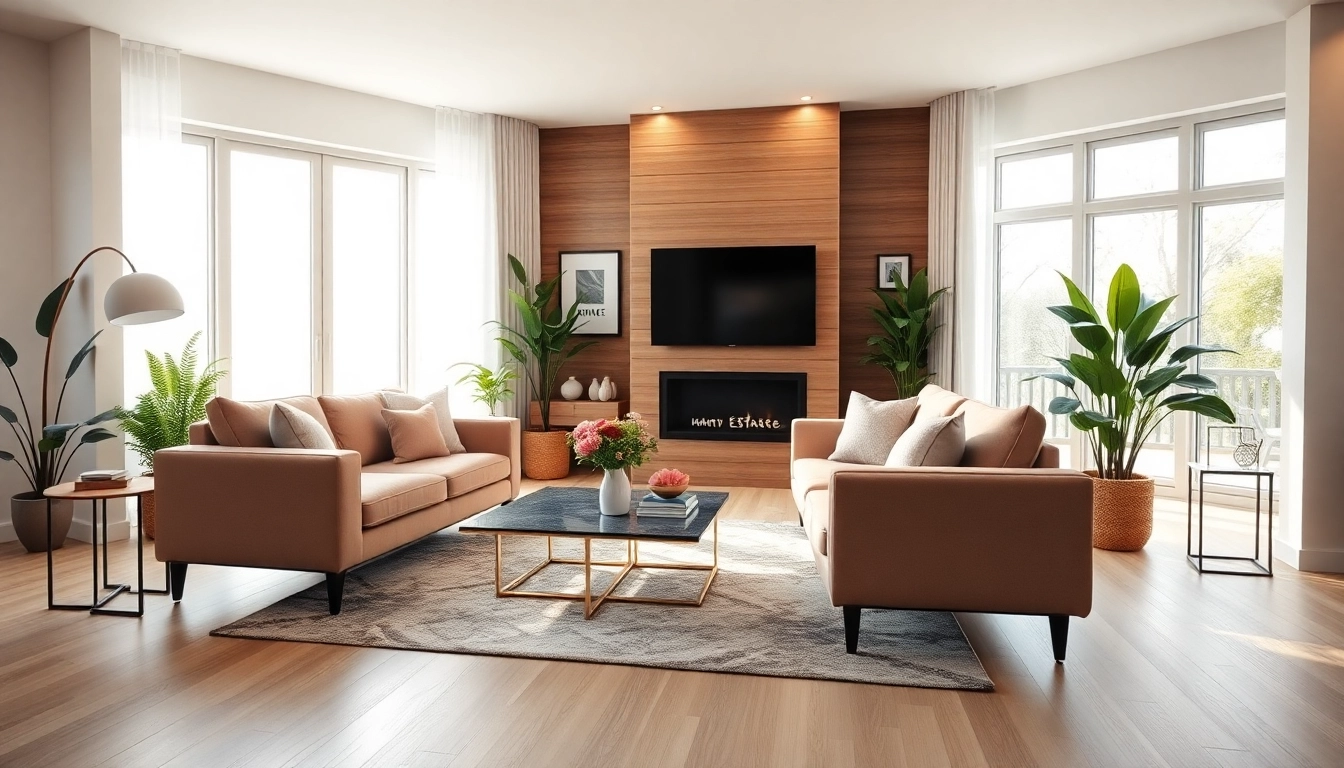
Real estate photography is a specialized genre of photography aimed at capturing the essence of residential and commercial properties. Unlike traditional photography, real estate photography emphasizes wide angles, lighting, and composition to highlight a property's best features. The goal is to create visually striking images that appeal to potential buyers and convey a sense of space, quality, and lifestyle associated with the property.
Importance of Quality Visuals
The importance of high-quality visuals cannot be overstated in real estate. In fact, properties with professional photographs tend to sell faster and at higher prices compared to those with amateur images. Quality visuals serve as the digital front door for a property, providing prospective buyers their first look and feel. Engaging images can evoke emotions and set the stage for a property tour. In essence, quality visuals are a critical marketing tool that can significantly impact a property's appeal and marketability.
Common Equipment Used
Effective real estate photography relies on the right equipment to achieve optimal results. Here are some essential tools used by real estate photographers:
- Cameras: DSLR or mirrorless cameras offer the best performance due to their high resolution and interoperability with various lenses.
- Lenses: A wide-angle lens (typically 16-35mm) is critical to capture the full essence of a room, making spaces appear larger.
- Tripod: A sturdy tripod ensures stability and prevents blurring, especially in low-light conditions.
- Lighting Equipment: External flashes or continuous lighting can help fill in shadows and bring warmth to a scene.
- Drone Cameras: Drones offer unique aerial perspectives that are becoming increasingly popular for showcasing larger properties.
Key Techniques in Real Estate Photography
Mastering the techniques of real estate photography is crucial in producing appealing images that showcase properties effectively. This section outlines some key strategies.
Lighting Strategies for Stunning Images
Lighting is a pivotal element in photography. In real estate, natural light often yields the most flattering results. Photographers should strive to shoot during the golden hour (shortly after sunrise or before sunset) when the light is soft and warm. However, it's also essential to manipulate indoor lighting effectively. Use a combination of ambient light and external flash to create a balanced exposure. Additionally, incorporating HDR (High Dynamic Range) photography can help merge multiple exposures, maintaining detail in both highlights and shadows.
Composition Tips for an Inviting View
Great composition transforms mere images into compelling visuals. Follow these tips to enhance your composition:
- Rule of Thirds: Divide your frame into a grid and position points of interest along these lines or intersections.
- Leading Lines: Use natural lines in the scene (e.g., walkways, furniture arrangements) to draw the viewer’s eye into the frame.
- Framing: Use architectural elements to frame your subject. This technique adds depth and context.
- Shooting from Different Angles: Photograph various perspectives (eye-level, low-angle) to provide a comprehensive view of the property.
Using Drones for Aerial Perspective
Drones have revolutionized real estate photography, offering bird's-eye views that can highlight the scale and positioning of properties within their environment. Aerial shots can help buyers visualize outdoor spaces, neighborhoods, and proximity to key amenities. When using drones, ensure you adhere to local regulations and maintain safety protocols.
Post-Production Tips for Real Estate Photography
Post-production is where real estate photographers can refine their images and bring out the best in their captures. A series of editing techniques enhances the visual appeal of property images.
Editing Basics to Enhance Your Shots
Basic editing involves cropping, straightening, and adjusting exposure levels to correct any capture inconsistencies. Software like Adobe Lightroom and Photoshop are industry standards for photographers, providing robust features for enhancing images. It is crucial to maintain the natural look of the property while making improvements.
Color Correction and Exposure Adjustments
Color correction ensures that the colors in your images accurately represent reality. Adjust the white balance to eliminate color casts from different lighting sources and enhance the vibrancy of colors in your images. Exposure adjustments may also be necessary to ensure both bright areas and shadows are correctly represented, showcasing the property’s features effectively.
Creating Virtual Tours and 3D Models
With advancements in technology, creating virtual tours and 3D models has become a valuable asset in real estate marketing. Tools like Matterport enable photographers to transform ordinary images into immersive experiences, allowing potential buyers to navigate properties online. This innovation supports engagement and can improve buyer confidence in making decisions.
Marketing Your Real Estate Photography Services
Once equipped with the necessary skills, marketing your services effectively is essential to gaining traction in the real estate photography business. Here are some strategies that can help you grow your presence in the market.
Building an Online Portfolio
Your portfolio is a reflection of your work and should be the cornerstone of your marketing strategy. Create a clean, easy-to-navigate website that highlights your best work. Utilize categories for different types of properties and ensure mobile optimization for accessibility. Including testimonials from satisfied clients can also build credibility and attract new customers.
Networking with Real Estate Agents
Building relationships with real estate agents is a vital component of growing your business. Attend industry events, engage in community workshops, and collaborate on local projects. Consider offering a few complimentary sessions to establish rapport and demonstrate your skills. Personal referrals can significantly boost your client base.
Leveraging Social Media for Exposure
Social media platforms are potent tools for showcasing your photography. Use platforms like Instagram and Facebook to share stunning visuals, behind-the-scenes processes, and success stories. Consistent posting and interaction with followers can enhance visibility and attract prospective clients. Collaborating with influencers in the real estate space can also provide expanded reach.
Frequently Asked Questions about Real Estate Photography
What are the costs associated with Real Estate Photography?
Costs vary widely based on location and services, typically ranging from $150 to $500 per session, depending on the property's size and complexity.
How important is post-processing in real estate photography?
Post-processing is crucial for enhancing photos, correcting lighting issues, and ensuring that properties look their best when presented to potential buyers.
Can anyone learn real estate photography?
Yes, real estate photography is learnable with practice. Numerous resources and tutorials are available to help beginners improve their skills.
What settings should I use for interior shots?
For interior photography, use a wide aperture for depth of field, a low ISO to minimize noise, and a slower shutter speed for proper exposure indoors.
How can I make a property look larger in photos?
Using a wide-angle lens and properly staging the space can create an illusion of spaciousness, making areas appear larger and more inviting.