Understanding Fence Cleaning
What is Fence Cleaning?
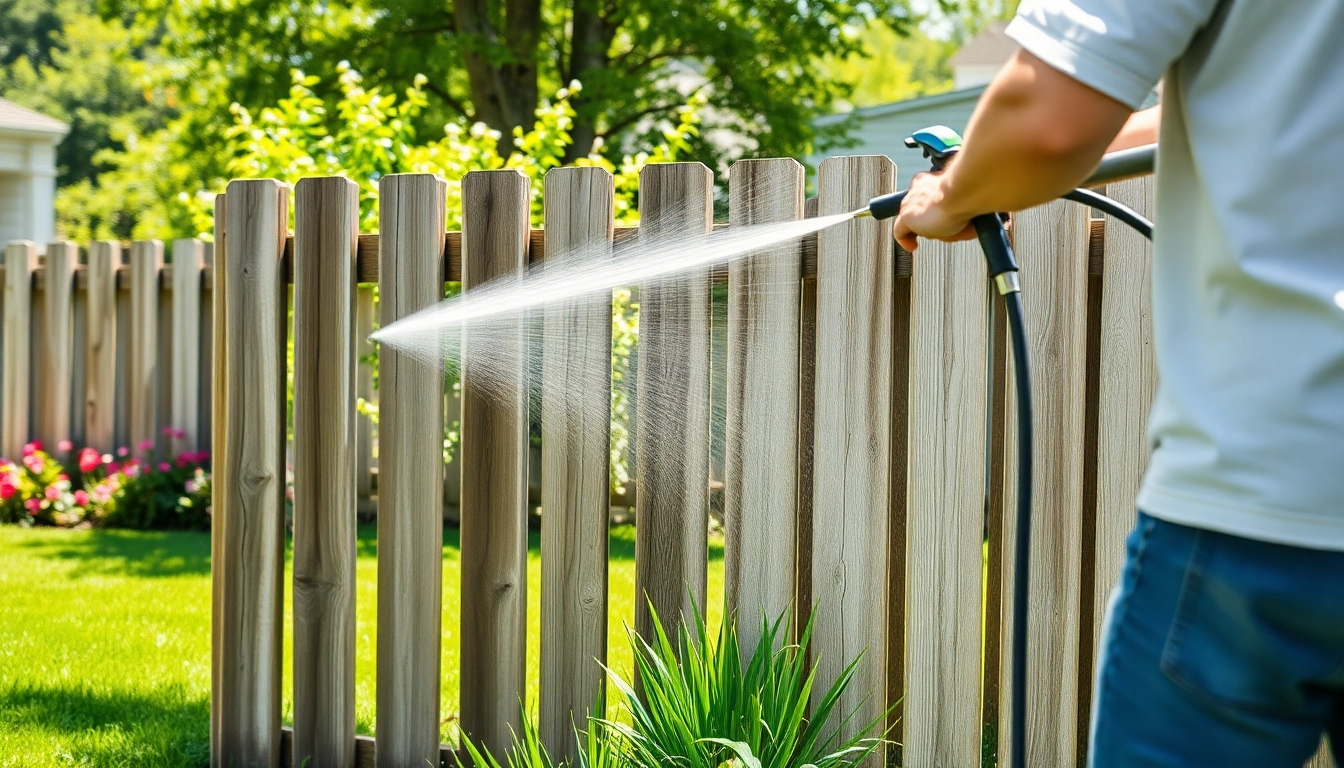
Fence cleaning refers to the process of removing dirt, grime, mold, and other impurities from various types of fences, restoring their aesthetic appeal and prolonging their lifespan. This task can involve simple methods like scrubbing with soap and water, or more advanced techniques like using pressure washers or chemical solutions. The goal is not only to make the fence look better but also to maintain its integrity and functionality.
Benefits of Regular Fence Cleaning
Maintaining a clean fence has several advantages:
- Enhanced Appearance: A clean fence immediately boosts the curb appeal of your property.
- Preventative Maintenance: Regular cleaning helps to prevent damage from mold, mildew, and rot, which can deteriorate the fence material over time.
- Increased Longevity: By keeping your fence clean, you can extend its life, reducing the need for costly replacements.
- Health Concerns: Mold and mildew can pose health risks; cleaning mitigates these hazards.
Common Types of Fences Requiring Cleaning
Different fence materials have distinct care requirements. Common fence types include:
- Wood Fences: Prone to rot and mildew; need regular cleaning and possibly treatment with sealants.
- Vinyl Fences: Require less upkeep, but still need periodic washing to remove dirt and stains.
- Metal Fences: Can rust if not maintained; cleaning involves removing corrosion and applying protective coatings.
- Chain-Link Fences: Often collect soil and grime, requiring occasional deep cleaning to prevent rust and deterioration.
Essential Tools and Materials for Fence Cleaning
Must-Have Cleaning Supplies
Before you start your Fence Cleaning project, ensure you have the right tools. Essential supplies include:
- Bucket: For mixing cleaning solutions.
- Scrub Brushes: Different sizes for tackling various fence materials.
- Pressure Washer: Ideal for large areas and tough stains.
- Gardening Hose: To rinse the fence after cleaning.
- Protective Gear: Gloves, goggles, and masks to ensure safety during cleaning.
Choosing the Right Cleaning Solutions
Not all cleaning solutions are created equal. Options include:
- Bleach Solutions: Highly effective against mold and mildew, but can damage wood if not diluted properly.
- Vinegar and Water: A natural alternative that’s good for lighter cleaning jobs.
- Commercial Cleaners: Many are designed specifically for certain fence types; always follow the manufacturer’s instructions.
Safety Equipment for Fence Cleaning
Ensuring safety during fence cleaning is paramount. Essential safety gear includes:
- Non-slip Gloves: For better grip and protection against chemicals.
- Safety Glasses: To protect your eyes from splashes and debris.
- Mask or Respirator: Especially important when working with strong cleaning agents.
- Sturdy Footwear: Prevent slips and falls, particularly on wet surfaces.
Step-by-Step Fence Cleaning Process
Preparing the Area for Cleaning
Preparation is key to an effective cleaning job. Start by:
- Removing Obstructions: Clear away any plants, furniture, or debris that might hinder your access to the fence.
- Inspecting the Fence: Look for damages, rust, or loose boards, which should be addressed before cleaning.
- Setting Up a Cleaning Solution: Mix your chosen cleaning solution according to the instructions.
Cleaning Different Types of Fences
Each type of fence requires its own method:
- Wood Fences: Apply the cleaning solution, scrub gently, and rinse thoroughly. If mold persists, consider using a stronger cleaner.
- Vinyl Fences: Use a mild detergent solution and sponge for washing. Rinse well to remove any soapy residue.
- Metal Fences: Use a specialized metal cleaner to treat rust spots, scrub any tough stains, and rinse the area clean.
- Chain-Link Fences: A pressure washer may help remove dirt effectively; otherwise, use a long-handled brush for manual cleaning.
Post-Cleaning Treatments and Maintenance
Once your fence is clean, consider these maintenance steps:
- Sealing Wooden Fences: Apply a wood preservative or sealant to protect against moisture and UV damage.
- Inspection: Regularly check for loose boards, rot, or rust to address issues before they escalate.
- Scheduled Cleanings: Establish a regular cleaning schedule to maintain your fence's appearance and integrity.
Choosing Professional Fence Cleaning Services
Signs You Need Professional Help
While DIY methods can be effective, some situations warrant professional assistance. Consider hiring experts when:
- The fence is severely damaged and needs repairs.
- You lack the time or tools for an effective cleaning.
- The fence is extremely high or difficult to access safely.
How to Select a Reliable Service Provider
Selecting the right cleaning service is crucial. Look for:
- Qualifications: Ensure they have experience and necessary certifications.
- Reviews and Ratings: Check online reviews or ask for referrals from past clients.
- Insurance: Confirm they are insured to protect your property during cleaning.
Cost Factors Involved in Professional Fence Cleaning
The cost of professional fence cleaning varies based on several factors, including:
- Size of Fence: Larger fences typically cost more to clean due to time and materials.
- Type of Fence: Different materials may require specialized equipment and cleaners.
- Accessibility: Fences that are hard to reach might incur additional charges.
Frequently Asked Questions About Fence Cleaning
How often should I clean my fence?
Generally, it's recommended to clean your fence at least once a year, but more frequent cleaning may be necessary in humid environments or if you notice mold and dirt buildup.
Can I use bleach for fence cleaning?
Yes, bleach is effective for removing mold, but it should be diluted properly to avoid damaging wood or vinyl surfaces.
What’s the average cost of professional fence cleaning?
The cost can vary widely but typically ranges between $30 to $800 based on the fence size and material type. Always get quotes from multiple providers.
What’s the best method for cleaning wood fences?
The best method includes using a wood cleaner or a mixture of bleach and water, scrubbing with a brush, and rinsing thoroughly. Avoid high-pressure washing to prevent damage.
How do I remove mold from my fence?
Mix a solution of one part bleach to two parts water, apply it to the affected areas, scrub gently, and rinse off to effectively remove mold.