
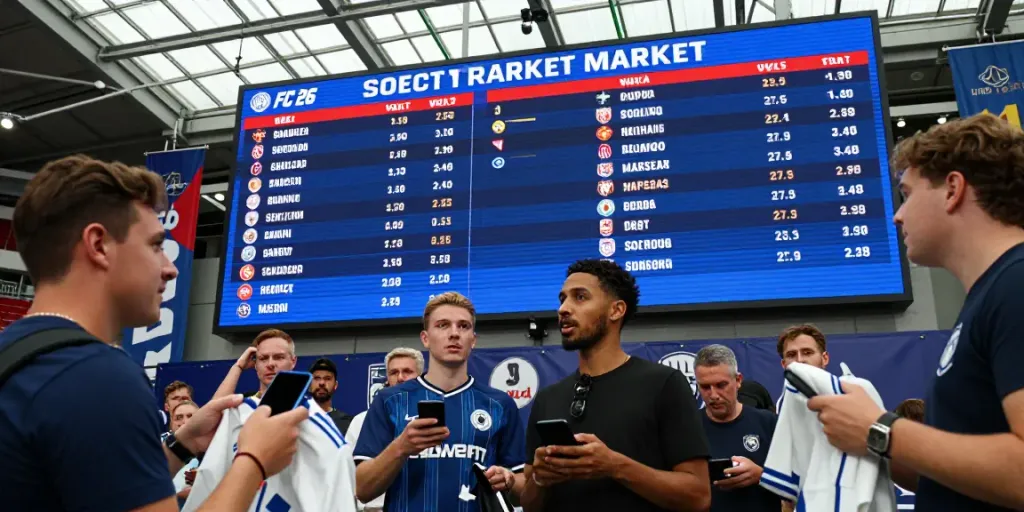
Understanding the FC 26 Transfer Market Dynamics
The FC 26 transfer market plays a pivotal role in shaping team compositions within the highly competitive landscape of EA SPORTS FC 26. With the recent transfer period (07/08/2025 to 10/09/2025) resulting in a staggering 2,228 total moves, including 771 player transfers, this market has become essential for gamers looking to build and enhance their squads. Understanding its dynamics is crucial for making informed decisions that can lead to significant in-game advantages.
What is the FC 26 Transfer Market?
The FC 26 transfer market refers to the system within the game that allows players to exchange, sell, or acquire footballers to improve their teams. This market reflects real-world football dynamics, where clubs frequently negotiate player movements to enhance competitiveness. Unlike traditional sports management simulations, the transfer market in FC 26 is characterized by virtual player valuations rather than real monetary transactions.
Key Terminology and Concepts
Before delving deeper into the strategies of the FC 26 transfer market, it’s essential to understand some fundamental terms:
- Transfer: A change of a player's club; it reflects a player's permanent move to a new team.
- New Faces: Players newly introduced into the game, either from real-world transfers or system updates.
- Departures: Players who are removed from the roster, impacting team composition.
- Market Value: The estimated worth of a player based on their performance, popularity, and skill level as assessed within the game.
Market Trends in 2026
With 881 new entries and 576 departures during the latest transfer window, the FC 26 transfer market has shown dynamic trends. The introduction of players from various leagues around the world has not only diversified gameplay but also influenced the overall market value of existing players. For instance, the headline move of Heung Min Son from Tottenham Hotspur to Los Angeles FC demonstrates how marquee signings can alter team strategies and market dynamics.
Analyzing the Biggest Moves in FC 26
Notable Transfers: Heung Min Son and Others
As the centerpiece of the recent transfer window, Heung Min Son’s move has sparked considerable discussion about its implications for both clubs involved. His transfer value of 85 signals his significant skill, making him a coveted asset for Los Angeles FC. Transitioning from a Premier League powerhouse to MLS, this move highlights the growing competitiveness of the American league and the desire for top-tier talent from around the globe.
Impact of Big Transfers on Team Strength
Big transfers not only boost the squad quality of the acquiring team but also affect the dynamics of the losing team. With every high-profile transfer, the strategic landscape of leagues shifts, compelling clubs to reassess their approaches. For example, players stepping into significant roles after losing key players must adapt quickly to maintain competitive edges. This can lead to unpredictable outcomes in matches and overall league standings, making the transfer market a critical element in determining team success.
Market Value Fluctuations and Their Implications
Market values are not static; they fluctuate based on player performance, injury status, and even market demand. A player like Heung Min Son, who consistently performs at a high level, might see an increase in value following a successful game or season, whereas others might see their value drop due to underperformance or injury. Understanding these fluctuations allows players to strategize effectively, either by selling high or buying low to enhance their squads.
Free Signings and Their Strategic Use
Identifying Talented Free Agents
Free agents represent a unique opportunity in the FC 26 transfer market. Identifying talented free agents requires a keen understanding of player potential and familiarity with emerging talents who might not yet have received the spotlight. It’s essential to scout players whose market values are underappreciated, as they can significantly contribute to a team's depth and versatility without the associated costs of traditional transfers.
Leveraging Free Signings for Squad Depth
Strategically integrating free agents can provide teams with the depth necessary to face the rigors of the season. By securing players who bring different skills or positional versatility, managers can adapt their formation and tactics with ease. This flexibility often becomes a decisive factor in maintaining performance levels over the season.
Case Studies of Successful Free Transfers
Analysis of previous seasons showcases many clubs benefitting from strategic free signings. For instance, a club might leverage a former star who has experienced a dip in form, yet remains a valuable player who can be revitalized. Such moves not only bolster the squad but can also yield significant returns on investment by elevating both team performance and player morale.
Mapping Out the Busiest Clubs in the Market
Clubs Leading the Transfer Activity
Some clubs emerge as frontrunners in the transfer market due to their proactive approaches and willingness to invest in talent. These clubs are not only acquiring players but are also adept at moving on those who no longer fit their strategic vision. Observing these clubs can provide vital insights into effective transfer strategies.
Analyzing Transfer Strategies of Busiest Teams
Teams that consistently remain active in the transfer market usually showcase a blend of ambition and strategy. They often have clear profiles for the type of players they seek, using analytics to identify individuals who can enhance their tactical setups. For instance, a club focused on high-pressing tactics may prioritize players with high stamina and speed, demonstrating the importance of aligning player selection with team philosophy.
Future Predictions for Club Movements
Looking ahead, clubs are likely to continue refining their transfer strategies, focusing on data-driven decision-making as analytics become more integral to player recruitment. This advancement will not only streamline processes but also enhance squad competitiveness across the board.
New Faces and Departures: Building a Competitive Team
Integrating New Players into Existing Squads
The integration of new players into existing squads is a nuanced process that requires careful management. Coaches and players must work together to establish chemistry, which is essential for on-field success. Ensuring that new signings understand the team's playing style and culture enhances the likelihood of a seamless transition.
Managing Departures and Retaining Key Players
While acquiring new talent is crucial, managing player departures is equally essential. Retaining key players who are integral to team success can prevent disruptive adjustments. Fostering an environment that values player contributions will not only retain talent but also attract new signings looking for stability within the club.
Future Trends in Player Movement Strategies
As the FC 26 transfer market evolves, emerging trends will likely include the increasing importance of player psychological profiles and adaptability in fast-paced environments. Furthermore, as leagues across the globe continue to develop, the competition for top players will heighten, driving clubs to innovate their strategies for both acquisitions and talent retention.
How do I unlock the transfer market on FC 26?
Unlocking the transfer market is vital for players wanting to engage fully with the game. The process generally involves completing specific objectives or reaching a particular stage within the game mode. Gamers should stay informed through community discussions and online resources for updates on market accessibility.
Why is the transfer market locked in FC 26?
The transfer market may be locked for various reasons, including account limitations or maintenance schedules. Players often experience temporary restrictions that can impact their ability to engage in transfers, leading to frustrations in gameplay experience.
What are the common challenges in the FC 26 transfer market?
Common challenges include managing player valuations, navigating competitive bids from rival clubs, and dealing with the unpredictability of player negotiations. These elements add layers of complexity to the transfer process, necessitating strategic forethought and market awareness.
How does the market value affect player transfers?
Market value directly impacts negotiations. Players with higher values can often command more substantial offers, but this also makes them targets for rival clubs. Understanding these dynamics is essential for making informed decisions about who to buy and sell.
What strategies can enhance transfer success in FC 26?
Successful strategies include thorough scouting, keeping abreast of market trends, and understanding player feedback. Engaging in community discussions allows players to gather insights and enhance their transfer approaches, leading to improved squad performance.