Understanding the Manlift
What is a Manlift?
A manlift is a type of powered equipment designed to safely lift workers and their tools to elevated workspaces. These devices are crucial in various industries, especially construction, maintenance, and warehousing, allowing personnel to reach heights that would otherwise be unsafe or impossible. Manlifts come in different configurations to suit the specific needs of various tasks, making them versatile and efficient options for aerial work.
Types of Manlift and Their Uses
Manlifts can be divided into several categories, each with unique features suited for specific tasks:
- Articulating Boom Lifts: These lifts feature arms that can bend at multiple points, providing exceptional reach and maneuverability, ideal for navigating complex environments with obstacles.
- Telescopic Boom Lifts: Also known as straight boom lifts, these models extend straight upward, offering greater lift height. They are perfect for accessing hard-to-reach areas from a distance.
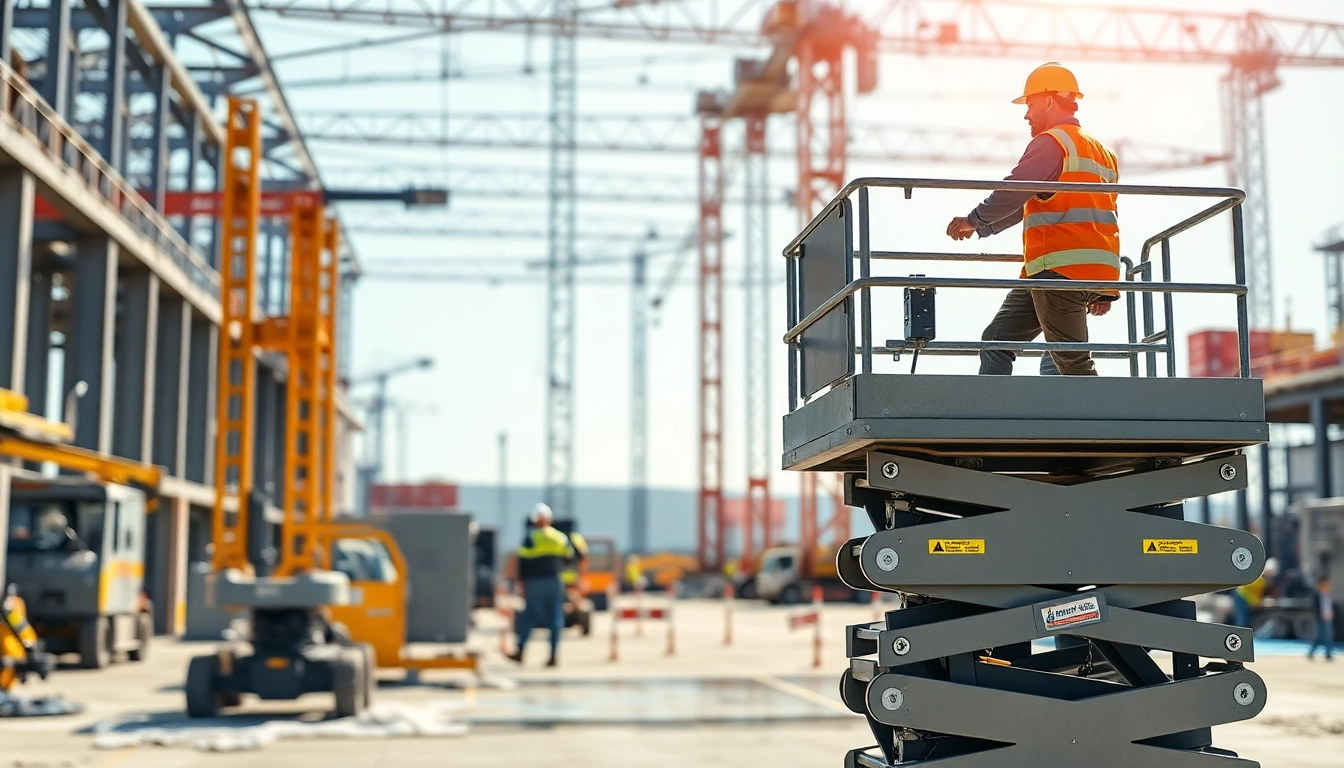
- Scissor Lifts: Distinguished by their crisscrossing support beams, scissor lifts provide a larger platform and high weight capacity, making them ideal for indoor tasks that require a stable working area.
- Personnel Lifts: Compact and lightweight, these lifts allow one or two workers to reach moderate heights and are often used for maintenance and light construction work.
Key Features to Look for in a Manlift
When selecting a manlift, it's essential to consider several key features:
- Height and Reach: Assess the maximum height required for your tasks and ensure the chosen manlift can comfortably reach it.
- Weight Capacity: Consider the combined weight of the workers and tools to ensure the lift can safely handle the load.
- Power Source: Decide between electric and diesel manlifts based on environmental concerns and the specific job site conditions.
- Maneuverability: Look for features like turning radius and wheel type, which can affect how easily the lift moves on the job site.
- Safety Features: Ensure the manlift is equipped with safety features such as guardrails, emergency stop buttons, and stabilization mechanisms.
Benefits of Using a Manlift
Improved Safety Standards
Utilizing a manlift significantly enhances workplace safety. These systems are designed with safety features that help prevent accidents and injuries. Unlike ladders, which can be unstable, manlifts provide a secure platform for workers to perform their tasks, reducing the risk of falls. Moreover, OSHA regulations emphasize the importance of using proper equipment when working at heights, and manlifts comply with these standards.
Increased Efficiency in Operations
Using a manlift can drastically improve operational efficiency. The ability to reach high spaces quickly and safely enables workers to complete tasks more rapidly. This speed not only enhances productivity but also allows for a more streamlined workflow, reducing downtime associated with setting up safety measures like scaffolding.
Cost-Effectiveness of Using Manlifts
While there is an upfront cost associated with renting or purchasing a manlift, the long-term savings can be significant. By facilitating faster completion of projects and minimizing workplace accidents that can lead to costly downtime or damages, manlifts provide an excellent return on investment. Furthermore, the reduced labor costs associated with using a manlift instead of multiple workers on ladders can contribute to overall project savings.
How to Choose the Right Manlift
Evaluating Your Project Needs
The first step in selecting the right manlift is assessing the specific needs of your project. Consider the height, weight requirements, and type of work being performed. Will you need the ability to navigate around obstacles? Will the lift be used indoors or outdoors? The answers to these questions will guide your selection process.
Considerations for Jobsite Specifications
Jobsite conditions play a significant role when choosing a manlift. Analyze the space available, including ceiling heights and floor load capacities. Additionally, understand if the terrain will support the type of lift you are considering, as some are equipped for rough or uneven ground, while others are designed for flat surfaces.
Tips on Budgeting for a Manlift
When budgeting for a manlift, consider both the initial rental or purchase price and ongoing operational costs such as fuel, maintenance, and insurance. Obtain quotes from several suppliers to ensure you are getting the best price, and factor in the potential savings from increased efficiency and reduced labor costs associated with using the manlift.
Best Practices for Operating a Manlift
Safety Guidelines for Operators
To maintain safety while operating a manlift, operators should follow established guidelines such as ensuring they hold a valid operator certification, conducting a pre-operation inspection, and never exceeding the load capacity. Maintaining a proper distance from overhead hazards and using Personal Protective Equipment (PPE) is also crucial.
Essential Equipment and Tools
Operators should be equipped with the necessary tools to work efficiently, including a fall protection harness, a basic toolkit for maintenance, and clear communication devices to ensure coordination with ground personnel. Understanding the specific equipment required for each task will optimize the use of the manlift.
Common Mistakes to Avoid
Some common pitfalls can lead to accidents or decreased efficacy when using a manlift. Operators should avoid using the equipment in high winds, exceeding weight limits, or attempting to lift materials with improper rigging. Maintaining clear communication and ensuring that all personnel are aware of the lift's movements can also prevent accidents.
Frequently Asked Questions About Manlifts
What is a Manlift?
A manlift is an aerial work platform designed for lifting workers and tools to elevated heights safely. It enhances safety and efficiency in industrial applications.
How high can a typical manlift reach?
Most manlifts can reach heights between 20 to 180 feet, depending on the model and type, with specialized lifts available for greater heights in specific applications.
What safety gear is required when using a manlift?
Operators usually need to wear Personal Protective Equipment (PPE), such as helmets, harnesses, and safety shoes, to ensure maximum safety while operating a manlift.
How do you maintain a manlift?
Regular inspections, lubrication of moving parts, timely servicing, and following the manufacturer's maintenance guidelines are crucial for ensuring a manlift operates safely and efficiently.
Are there any age restrictions for operators of manlifts?
Yes, operators typically must be 18 years or older and have proper training and certification to operate a manlift, ensuring they understand safety protocols and equipment operation.