Understanding Containerized Wastewater Treatment Systems
Containerized wastewater treatment systems have emerged as a pivotal solution for both industrial and municipal sectors grappling with the complexities of water treatment. These systems offer highly efficient, transportable technologies designed to meet the diverse treatment demands of various wastewater streams. By utilizing containerized wastewater treatment, operators can achieve effective compliance with stringent environmental regulations while addressing urgent and variable water treatment needs.
What is a Containerized Wastewater Treatment System?
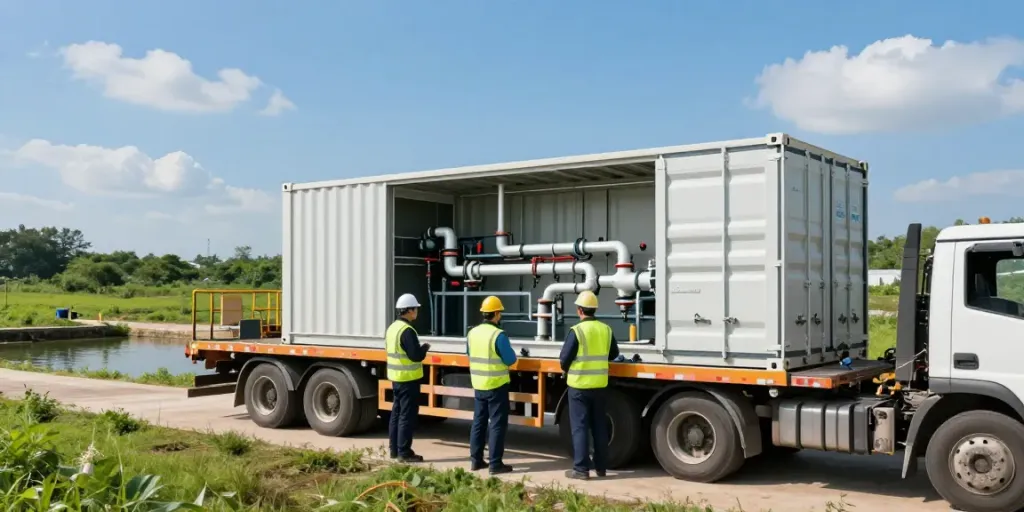
A containerized wastewater treatment system is an innovative, modular solution that integrates various wastewater treatment technologies within standard shipping containers. Typically, these units are available in 20- or 40-foot configurations and are built to handle a range of applications from domestic sewage treatment to the treatment of complex industrial effluent. Their compact design enables easy shipping, relocation, and installation, making them ideal for temporary or permanent installations in diverse operational environments.
Key Components of Containerized Systems
Containerized systems are generally composed of several essential components that work together to treat wastewater effectively:
- Pre-Treatment Facilities: This stage often includes screening and grit removal to eliminate large solids and heavy particles.
- Biological Treatment Units: Utilizing technologies like activated sludge, membrane bioreactors, or moving bed biofilm reactors, these units degrade organic pollutants.
- Clarification Processes: These processes separate treated wastewater from solids, ensuring that effluent meets discharge standards.
- Disinfection Units: To prevent pathogen transmission, methods such as UV treatment or chlorination are employed.
- Control Systems: Advanced monitoring and control technologies allow for real-time management and optimization of the treatment processes.
How They Address Environmental Compliance
Containerized wastewater treatment systems are designed to meet or exceed local and international environmental regulations. Their modular nature allows for easy adaptation to different treatment levels and standards, making compliance more accessible for operators. Additionally, these systems can be fitted with advanced monitoring technologies that track effluent quality, ensuring continuous compliance with discharge limits.
Advantages of Using Containerized Solutions
The popularity of containerized wastewater treatment solutions is bolstered by their numerous benefits, which address both operational and economic challenges faced by industries and municipalities.
Rapid Deployment and Mobility Benefits
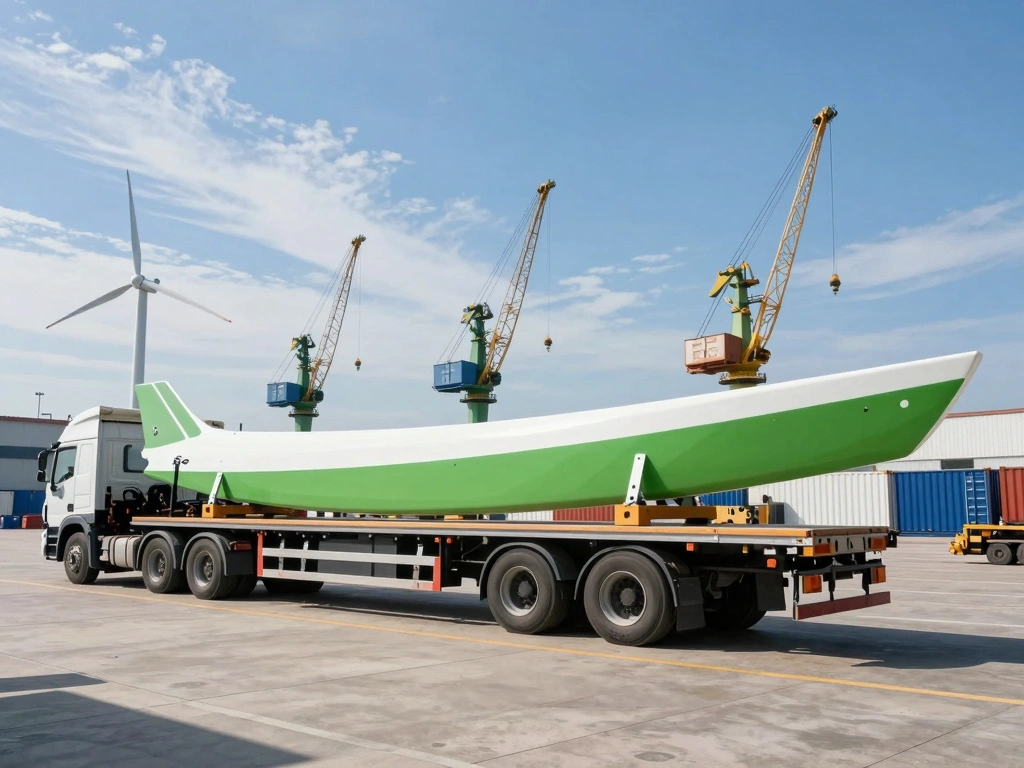
One of the most significant advantages of containerized systems is their rapid deployment capability. These pre-packaged units can typically be transported on a flatbed truck and installed on-site using a crane within just one to two days. This quick setup is essential in emergency situations, such as natural disasters, where immediate wastewater treatment is crucial to public health.
Operational Flexibility for Varying Conditions
Containerized systems are designed with flexibility in mind, allowing users to easily modify treatment processes according to the specifics of the wastewater being treated. This adaptability is vital in industrial contexts where effluent characteristics can vary significantly over time. Additionally, their modular design means that systems can be scaled up or down based on demand, providing an effective solution for fluctuating volumes of wastewater.
Cost-Effectiveness Compared to Traditional Methods
The initial capital investment for containerized wastewater treatment systems is often lower than for traditional fixed installations. Furthermore, the mobility of these systems minimizes transportation and installation costs. Over time, their efficient operation can lead to reduced energy and maintenance expenses, making them a cost-effective solution for water treatment.
Implementation Best Practices
While containerized wastewater treatment systems offer numerous benefits, their successful implementation requires careful planning and management to ensure optimal performance.
Steps to Assess Needs Before Deployment
Before deploying a containerized wastewater treatment system, it is critical to assess specific site needs and wastewater characteristics. Key considerations should include:
- Volume and composition of the wastewater stream
- Local regulatory requirements
- Space and accessibility constraints at the installation site
- Future scalability requirements
Installation and Setup Guidelines
Successful installation of containerized systems involves several steps:
- Site preparation, including leveling the ground and ensuring proper access for transportation equipment.
- Coordination with local authorities regarding permits and compliance checks.
- Installation of the containerized units, followed by connection to existing infrastructure such as power and water supply.
- Testing the system to ensure it operates according to specifications before commencing regular use.
Ongoing Maintenance and Support Strategies
Regular maintenance is essential for the longevity of containerized systems. Establishing a routine maintenance schedule that includes:
- Routine inspections to identify wear and tear
- Cleaning and servicing of mechanical components
- Monitoring effluent quality to ensure compliance with discharge standards
Additionally, having a support strategy that includes access to technical expertise can help in quickly resolving any operational challenges that arise.
Real-World Applications and Case Studies
Containerized wastewater treatment systems have been deployed in various settings, showcasing their versatility and effectiveness in managing wastewater.
Successful Deployments in Industrial Settings
In industries such as food processing, pharmaceuticals, and manufacturing, wastewater streams often contain high levels of organic matter and contaminants. For example, a food processing plant in California successfully implemented a containerized system to treat its wastewater, reducing COD levels by over 90% while remaining compliant with local discharge regulations.
Containerized Solutions in Disaster Relief Operations
During natural disasters, infrastructure can be severely damaged, leading to urgent needs for wastewater treatment. Containerized units have been deployed in various disaster-stricken areas globally, providing essential treatment capabilities. An example includes their use in response to Hurricane Katrina, where portable wastewater treatment units were instrumental in restoring sanitation services quickly.
Innovative Uses in Remote Locations
In remote areas where traditional wastewater treatment infrastructure is impractical, containerized systems have appeared as effective solutions. A notable case is the deployment of containerized units in mining operations in Australia, where they handle wastewater from ore processing while minimizing environmental impacts and ensuring operational continuity.
Future Trends in Wastewater Treatment Technologies
The wastewater treatment industry is continuously evolving, and containerized systems are at the forefront of several emerging trends.
Advancements in Modular Treatment Systems
As technology advances, we can expect to see enhancements in the design and efficiency of modular treatment systems. Innovations such as smart sensors and IoT integration will enable real-time monitoring and remote management, improving operational efficiency and decision-making.
Impact of Regulations on Design Innovations
With increasing regulatory pressures globally, containerized systems are likely to evolve to meet stricter environmental standards. This will drive the need for systems that incorporate technologies for enhanced removal of emerging contaminants and improved energy efficiency.
Predictions for Market Growth by 2026
As industries continue to prioritize sustainable practices and seek out cost-effective solutions, the market for containerized wastewater treatment systems is projected to grow significantly by 2026. Factors contributing to this growth include the increasing need for decentralized treatment solutions and the ongoing development of innovative treatment technologies.
What are the key features of containerized wastewater treatment systems?
Containerized systems are characterized by their modular design, quick deployment capabilities, and comprehensive treatment processes suited for a variety of wastewater types.
How do containerized systems facilitate compliance with regulations?
By integrating advanced treatment technologies, containerized units can be tailored to meet specific regulatory standards for effluent quality, thus ensuring compliance throughout their operation.
What are the cost implications of utilizing containerized wastewater treatment?
Although initial costs may vary, containerized systems often result in lower long-term operational costs due to their energy efficiency and reduced maintenance requirements.
In what scenarios are containerized systems most effective?
Containerized wastewater treatment systems excel in applications that require rapid deployment, such as emergency response, remote locations, or temporary projects where traditional infrastructure is not feasible.
What trends should we expect in wastewater treatment technology?
Future trends will likely include the incorporation of advanced technologies such as AI for predictive maintenance, enhanced treatment capabilities, and the development of more sustainable practices in the wastewater sector.