What is a Blower Door Test?
Definition and Purpose
A blower door test is an essential diagnostic tool used to assess the airtightness of buildings. By depressurizing or pressurizing a structure, the test identifies leaks in the building envelope, highlighting areas where air infiltration occurs. This is significantly important for energy efficiency, as it relates directly to heating and cooling costs. Understanding how effectively your home retains conditioned air can lead to informed improvements, making this test a valuable resource for homeowners.
How it Works
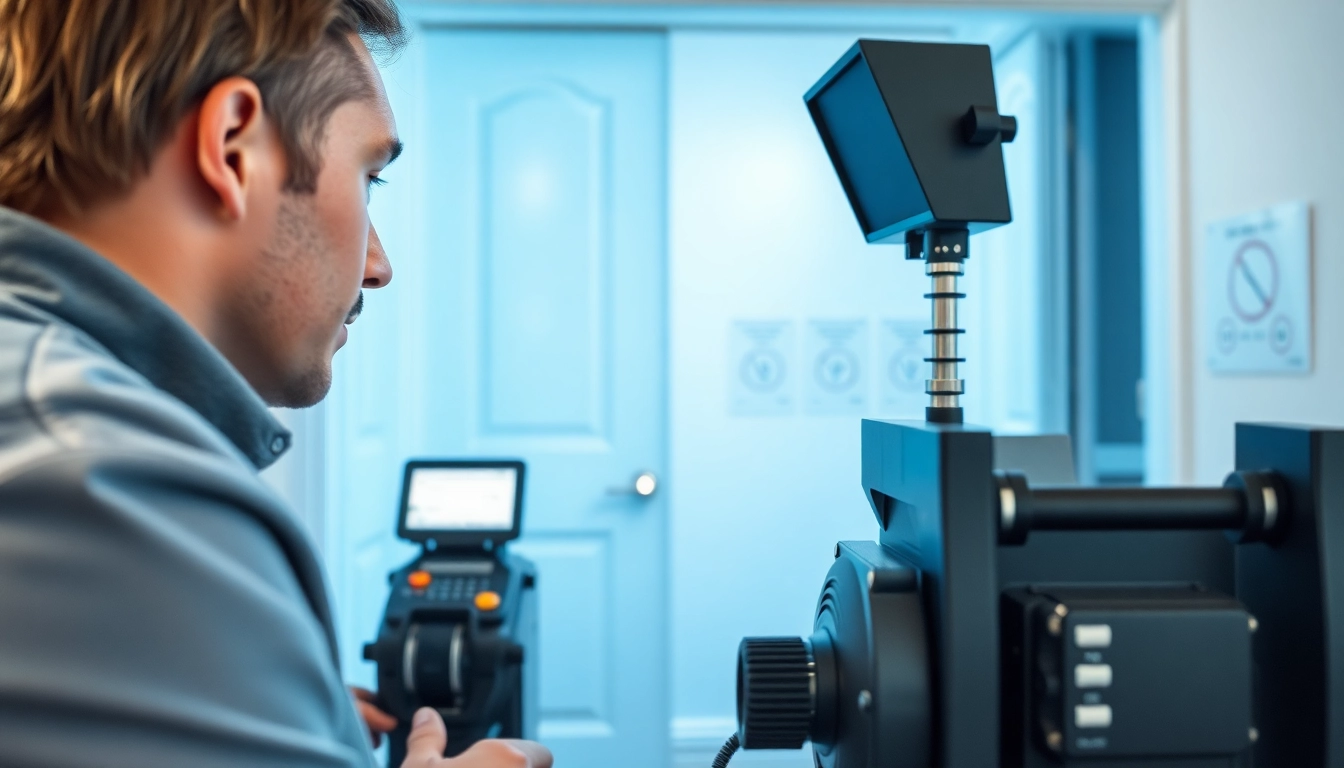
During a blower door test, a specialized fan is mounted in the doorway of the building. The fan either blows air into the house or sucks air out, creating a pressure difference between the inside and outside. This pressure difference is typically maintained at 50 pascals, a standard used to ensure consistency in measurements. An intense flow of air will indicate how airtight a building is, allowing assessors to calculate the amount of air leakage and assess its repair needs.
Importance in Energy Efficiency
Conducting a blower door test is critical for establishing energy efficiency in a home. Identifying air leaks leads to improved insulation, reduced energy consumption, and lower utility bills. Moreover, a tight envelope can positively influence indoor air quality by reducing the entry of outdoor pollutants. The test aids in compliance with energy codes and can also bolster the comfort of living spaces, making it a win-win for homeowners.
Preparing for a Blower Door Test
Pre-Test Checklist
Preparation for a blower door test involves several important steps. Homeowners should:
- Close all windows and doors to ensure the test accurately reflects the building's performance.
- Seal all unnecessary openings such as fireplace dampers, vents, and exhaust fans.
- Turn off any appliances that can influence airflow, like fans and HVAC systems.
- Ensure that no vehicles are parked in front of the house to prevent external airflow interference.
Common Challenges to Address
Several common challenges can impact a blower door test's accuracy. For instance, faulty sealing of windows and doors may lead to misleading results. Additionally, changes in weather conditions can alter baseline conditions. It's crucial to schedule tests during calm weather conditions and to thoroughly review the building's construction to address any known issues beforehand.
Setting Up the Environment
Creating a stable environment for the blower door test is essential. Consideration should be given to ambient temperature, as extreme temperatures can affect air density and flow measurements. Conducting the test in comfortable weather conditions will provide more reliable results. Additionally, it may be beneficial to perform indoor measurements to understand the effects of thermal conditions on airflow.
Conducting the Blower Door Test
Step-by-Step Process
The following steps outline the conduct of a blower door test:
- Set up the blower door fan in the designated entrance.
- Calibrate the device based on specific requirements.
- Activate the blower door to establish the desired pressure differential.
- Monitor airflow rates and other metrics using connected equipment.
- Identify and document leaks, typically with a diagnostic tool or smoke pencil.
- Once data is collected, dismantle the equipment carefully.
Understanding Pressure Measurements
Pressure measurements during the test are vital for interpreting results. The readings indicate both the volume of air loss and the quality of sealing in the building envelope. A higher volume suggests more significant air leakage, while lower figures indicate better performance. Understanding these nuances enables homeowners to strategize effective repairs, optimized insulation, and improved energy efficiency.
Maintaining Testing Standards
Adhering to testing standards is crucial in conducting blower door tests effectively. Assessors may choose to abide by guidelines set forth by organizations such as the American Society for Testing and Materials (ASTM) or the International Energy Conservation Code (IECC). These standards ensure that all tests are replicable, accurate, and meaningful, establishing a baseline for future evaluations.

Interpreting Blower Door Test Results
Data Analysis Techniques
Once the blower door test is complete, analyzing the data collected is a crucial next step. Key metrics include air changes per hour (ACH) and overall leakage rates. By comparing results against established benchmarks, homeowners can ascertain their building's performance relative to industry standards and identify areas needing attention. Utilizing software designed for this purpose can simplify data interpretation.
Identifying Air Leaks
Identifying air leaks involves analyzing data patterns and using tools such as infrared cameras to visualize temperature differences on surfaces within the building. Thermal imaging can pinpoint areas of significant heat loss, allowing for targeted repairs. Regular monitoring and maintenance can further improve overall building performance and comfort.
Applying Findings for Solutions
The findings from a blower door test should directly influence enhancement strategies. Solutions may include sealing gaps, enhancing insulation, or replacing worn-out weather stripping. Homeowner involvement is critical; pursuing simple fixes can often be conducted independently, while more extensive issues may require professional intervention.
FAQs about Blower Door Testing
When is a blower door test necessary?
A blower door test is necessary when assessing energy efficiency, after significant renovations, or before selling a home to confirm its airtightness.
What is the average cost of a blower door test?
On average, a blower door test may cost between $300 and $600, but prices can vary based on location and the complexity of the testing required.
Can I perform a blower door test myself?
While DIY blower door kits are available, conducting a test without professional insight may lead to inaccurate results. Professional assessments are recommended to ensure reliability.
How often should I conduct a blower door test?
Homeowners should consider conducting a blower door test every 3-5 years or after significant home improvements or weatherizing processes to monitor air leakage over time.
What factors influence blower door test results?
Factors influencing test results include weather conditions, home design, air pressure variations, insulation quality, and existing leaks in the building envelope.